
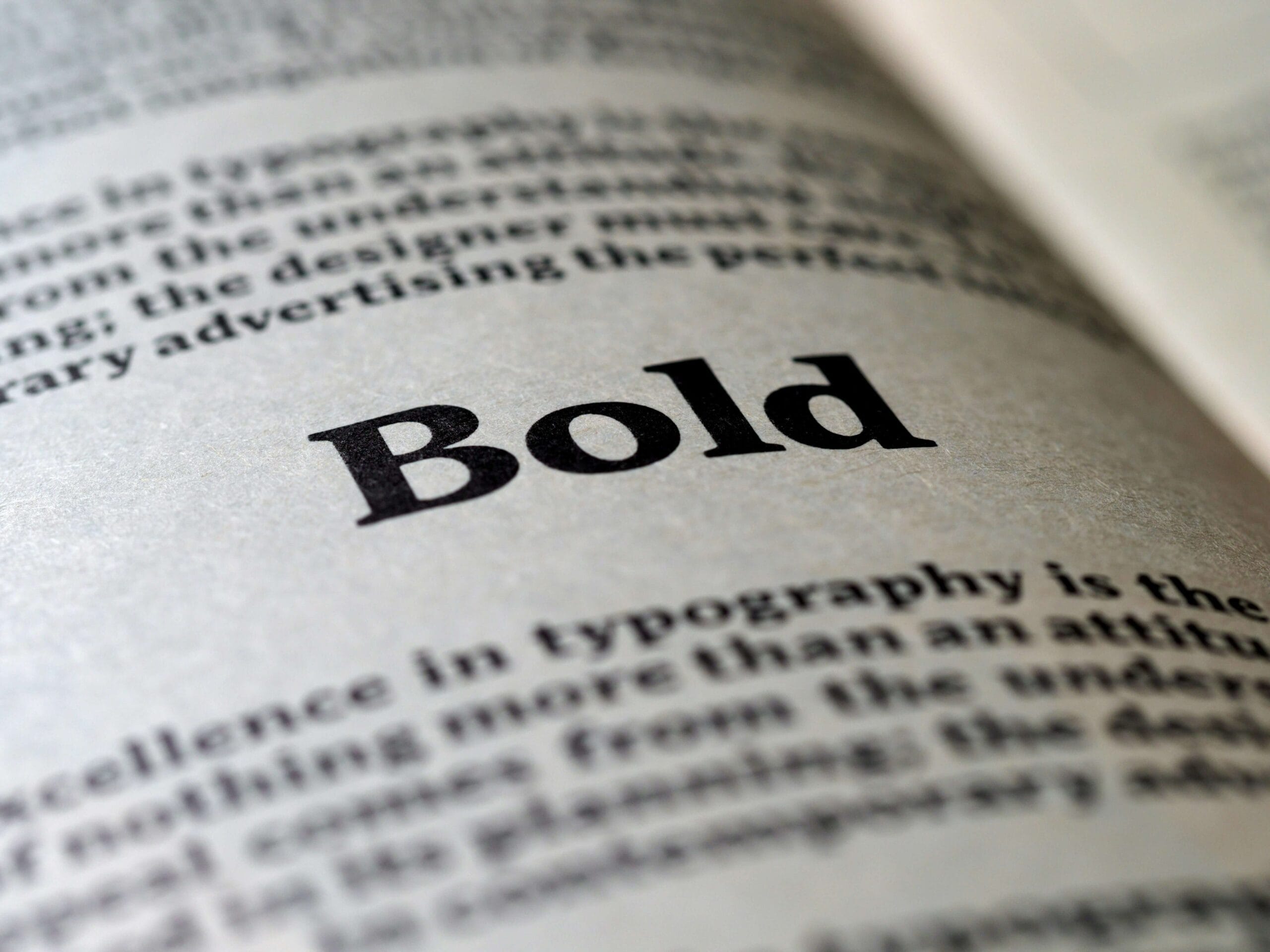

Typography as Design, Culture, and Identity

Typography surrounds us everywhere! It’s one of those design elements we often take for granted, but behind every letterform there is thoughtful design, history, and technical precision.

Irina Raven

Last Updated March 8, 2026

This week, my exploration took me back to 1996—the year the Nintendo 64 launched and ICQ changed how people communicated online. As computers became more accessible, digital graphics and typography started to shape how we interact with technology, media, and each other.

I was especially impressed by Matthew Carter’s TED Talk, “My Life in Typefaces.” His talk gave me a deeper understanding of how typography has evolved and reminded me that every typeface is the result of countless design decisions. Typography is not just functional—it is an art form with a human story behind it.

When I was in 7th grade, I spent a few weeks studying typography in a design course. I learned about angles, baselines, apertures, and even tried to create my own typeface. That assignment helped me understand how complex and intentional type design really is, and it sparked my interest in how letters influence readability and perception.

I also enjoyed reading Silas Munro’s article Typography as a Radical Act in an Industry Ever-Dominated by White Men. It was powerful to learn that typefaces can carry social and political meaning. For example, Carrie honors women’s suffrage in the United States, Eva was created for the suffrage movement in Argentina, and Stonewall recognizes the 1969 LGBTQ riots at the Stonewall Inn in New York City. These examples show that typography can be a tool for representation, activism, and storytelling.

Typography is more than aesthetics—it is communication, identity, and culture embedded in letters.

What about you. How do you think typography shapes the way we perceive information and identity? What typefaces or visual styles have shaped your experiences, even without you noticing?

#Typography #GraphicDesign #UXDesign #DesignThinking #VisualCommunication #InclusiveDesign #DesignHistory #ProductDesign #UserExperience #DesignReflections #CreativeProcess

Recent Articles

Work From Home

Work From Home

I first discovered remote work long before the pandemic — back in 2006. Here’s how it changed not only how I work, but how I lead.
New Job Titles on LinkedIn

New Job Titles on LinkedIn

For years, people who have temporarily stopped working have asked LinkedIn for more ways to reflect a caregiving hiatus on their digital resumes. Why is this so important for so many of us?

International Women’s Day

International Women’s Day

Every March, many women around the world are congratulated and gifted with flowers because it is International Women’s Day. But is that what this day is really about?

STEAM And Children

STEAM And Children

My parents taught us that the best education comes from curiosity, hands-on learning, and a love of STEAM. Inspired by Marie Curie at age 10, I discovered a lifelong passion for science and exploration.
Typography as Design, Culture, and Identity

Typography as Design, Culture, and Identity

Typography is more than letters on a screen—it’s design, culture, and identity embedded in visual form. In this post, I reflect on typography’s history, personal learning experiences, and how type can carry meaning, representation, and activism.