Why I Still Love Paper Prototyping in a Digital World
Even in a world of sophisticated digital tools, paper prototyping remains a powerful way to communicate ideas, gather feedback, and save resources—both at work and at home.
Irina Raven

With so many digital tools available for prototyping, you might wonder: why would anyone still use paper?
For me, the answer is simple: time, money, and clarity.
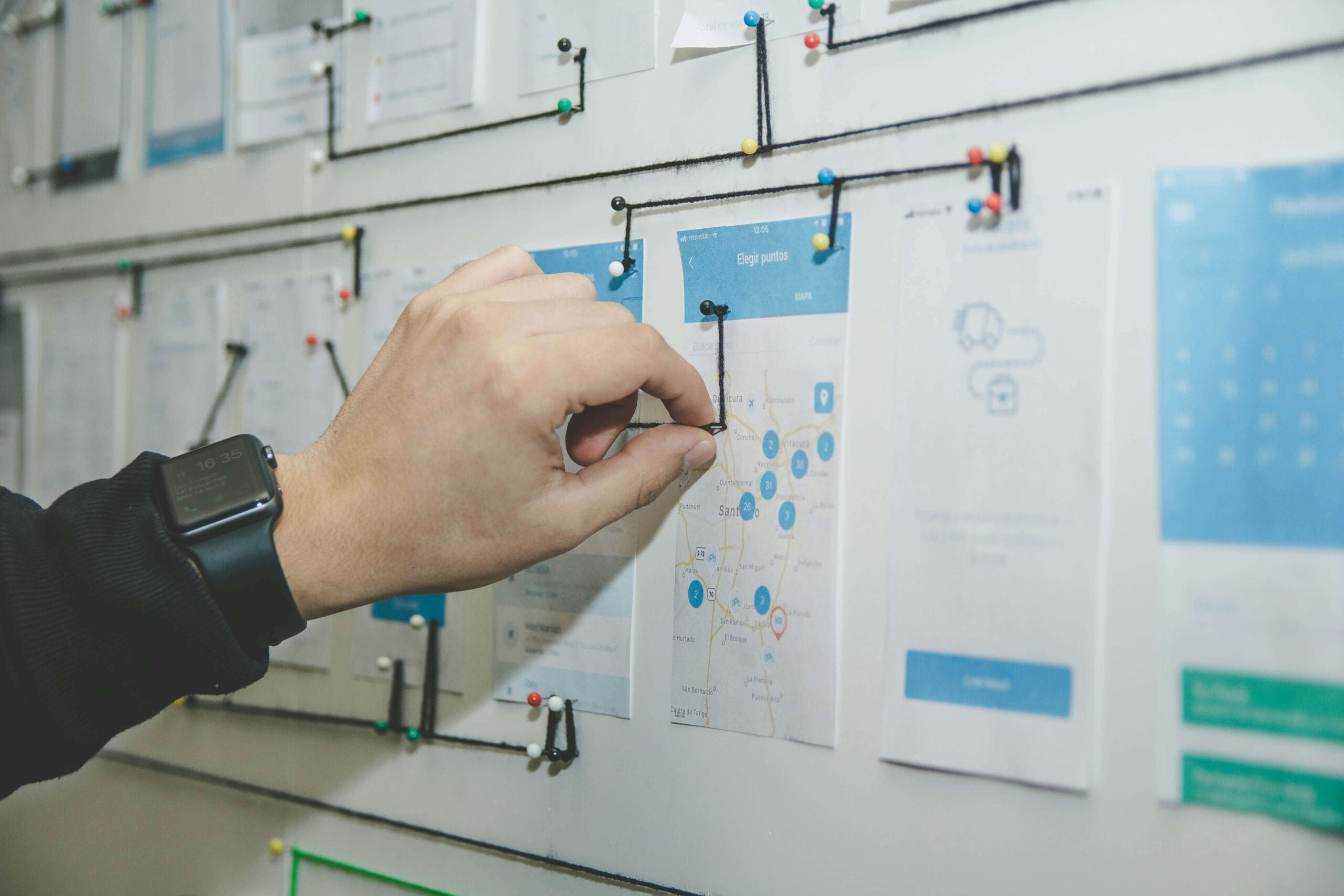
At the start of any project, it’s crucial to work with users to understand how the design process is unfolding. Spending hours crafting a digital prototype only to discover design issues—or missing features—can be costly. Paper prototypes, with their low fidelity, are fast, affordable, and accessible to everyone on the team.
At home, this philosophy extends to our three little “builders.” My daughters love creating inventions—from Lego designs to park sleds. As engineers, my husband and I often remind them to “stop and think.” By sketching ideas on paper first, they quickly see what works, what needs tweaking, and what features are missing—all before committing time and materials.
Advantages of Paper Prototypes:
Fast and affordable: They save time and resources, while digital prototypes often require technical expertise and longer development time.
Easy to modify on the fly: Even during a client session, changes can be made instantly. Digital prototypes usually need more time and additional meetings to adjust.
Encourages honest feedback: Users feel free to suggest changes when the prototype isn’t “finished,” whereas polished digital prototypes can make people hesitant to ask for adjustments.
Disadvantages of Paper Prototypes:
Low fidelity: Many details are hard to convey. Digital prototypes excel in precision and visual detail.
Better for in-person testing: Paper works best when the user can physically interact with it. Digital tools, on the other hand, shine in remote testing and even in-person scenarios.
How I use Paper Prototyping with Clients? Paper and pencil are my constant companions when designing websites or apps. I bring a simple prototype to early client meetings to:
Illustrate the concept—helping clients visualize the final product.
Understand user experience—seeing how they interact with the idea.
Save time and resources—before committing to development.
I always use paper prototypes in early testing stages to uncover potential issues and explore solutions. It’s a simple, effective way to learn, iterate, and make better design decisions before anything goes digital.
How I use Paper Prototyping with Clients?
Paper and pencil are my constant companions when designing websites or apps. I bring a simple prototype to early client meetings to:
Illustrate the concept—helping clients visualize the final product.
Understand user experience—seeing how they interact with the idea.
Save time and resources—before committing to development.
I always use paper prototypes in early testing stages to uncover potential issues and explore solutions. It’s a simple, effective way to learn, iterate, and make better design decisions before anything goes digital.
What about you. When do you prefer paper prototypes over digital ones in your projects, and why? What’s the most surprising insight you’ve gained from testing a low-fidelity prototype?
#UXDesign #UserExperience #Prototyping #DesignThinking #ProductDesign #UXResearch #UXTips #DigitalDesign #Innovation #EarlyTesting