
Recent Articles
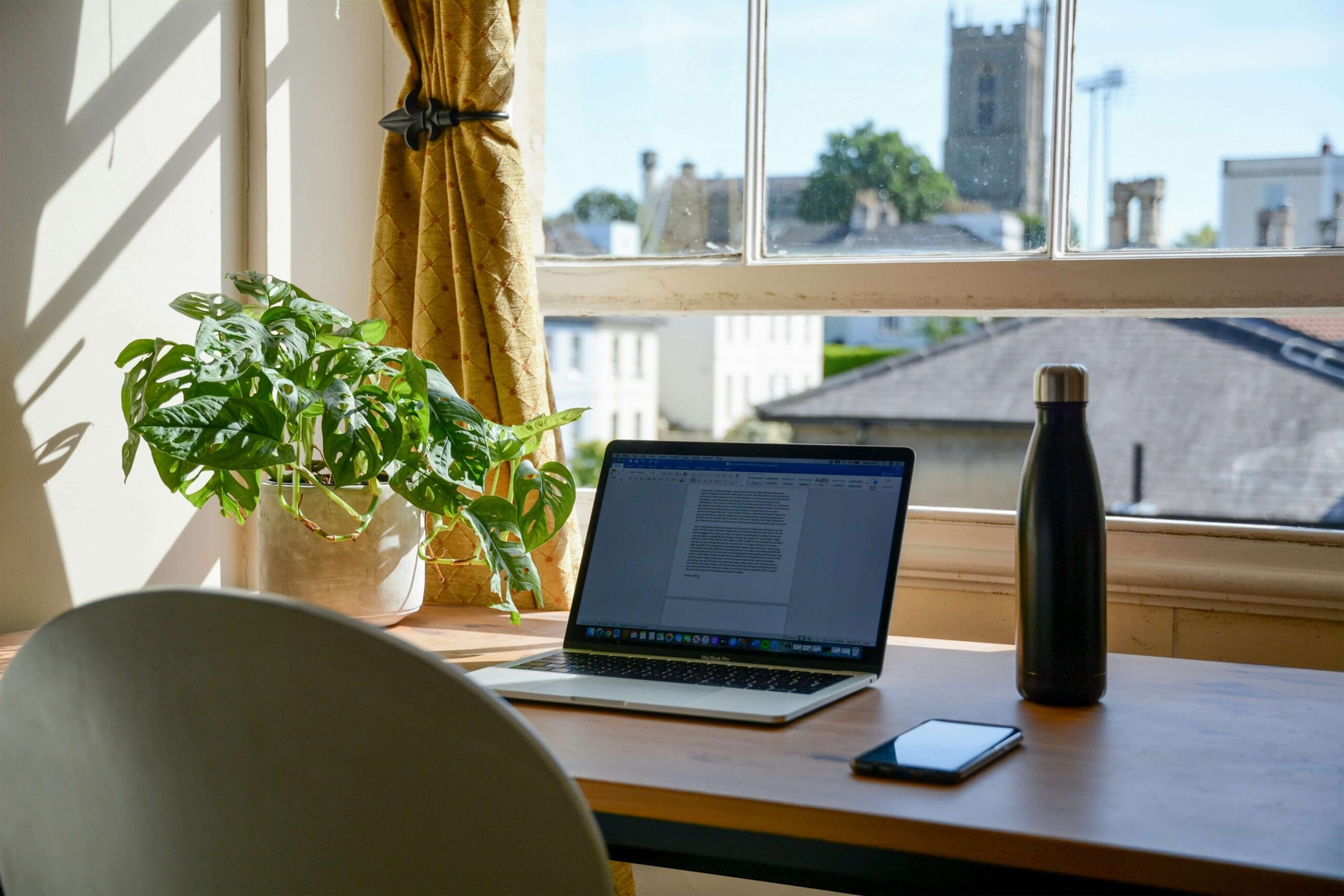
Work From Home
I first discovered remote work long before the pandemic — back in 2006. Here’s how it changed not only how I work, but how I lead.
New Job Titles on LinkedIn
For years, people who have temporarily stopped working have asked LinkedIn for more ways to reflect a caregiving hiatus on their digital resumes. Why is this so important for so many of us?
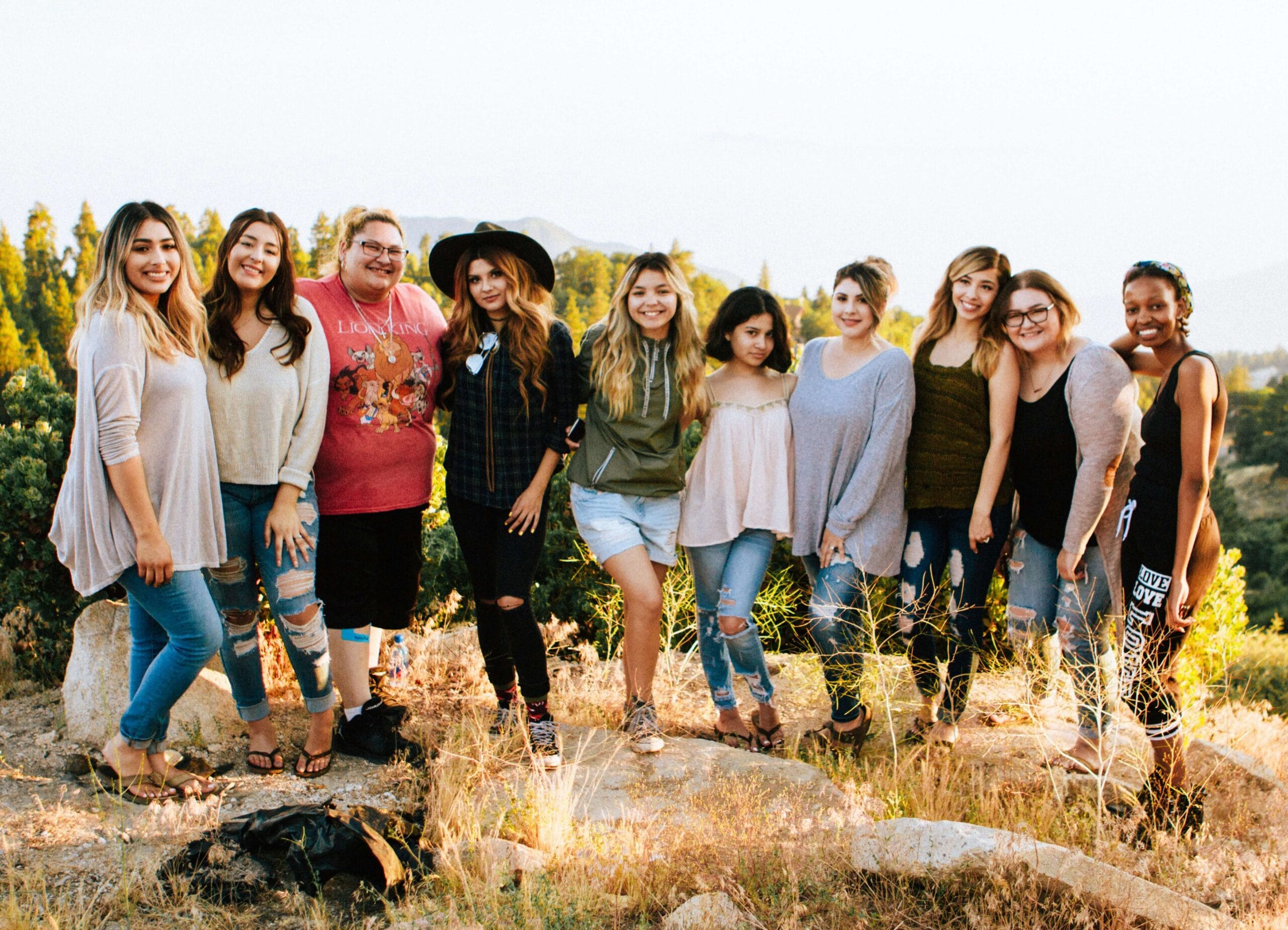
International Women’s Day
Every March, many women around the world are congratulated and gifted with flowers because it is International Women’s Day. But is that what this day is really about?
STEAM And Children
My parents taught us that the best education comes from curiosity, hands-on learning, and a love of STEAM. Inspired by Marie Curie at age 10, I discovered a lifelong passion for science and exploration.
Typography as Design, Culture, and Identity
Typography is more than letters on a screen—it’s design, culture, and identity embedded in visual form. In this post, I reflect on typography’s history, personal learning experiences, and how type can carry meaning, representation, and activism.